
Medicine - Health
Announcing new causes of Alzheimer's disease
New US scientists have discovered that when brain cells are aging and the amount of DNA produced by these cells is not good, they will not divide and start producing har…
Browse ScienceInfo articles and explainers related to Brain Cell.
43 published items.
New US scientists have discovered that when brain cells are aging and the amount of DNA produced by these cells is not good, they will not divide and start producing har…

British researchers found that aging neurons in the rat brain produce many substances, including free radicals and other molecules, which can promote inflammation and ch…

Scientists pioneer in cloning technology have created brain cells from the skin, paving the way for better treatments for neuropathy.
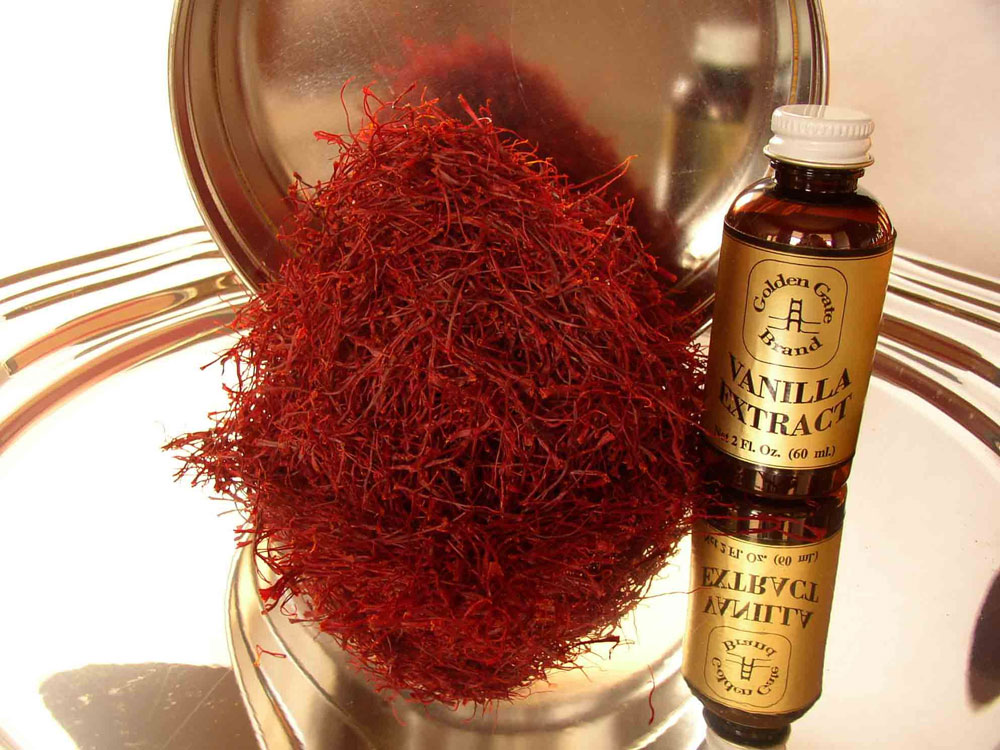
Canadian scientists found that an important component in saffron has the ability to protect brain cells from diseases related to neuritis, such as multiple sclerosis.

When people diet, brain cells deal with malnutrition by

Cancer-causing genes can also transform normal healthy cells into identical cells of human embryonic stem cells, according to a new study.

American scientists on Feb. 9 said that animal studies show that a new drug made from the chemical ingredient in turmeric may help reproduce brain cells after stroke.

Human brain stem cells, after being implanted in the brain of newborn babies, can develop and act like mouse brain cells.
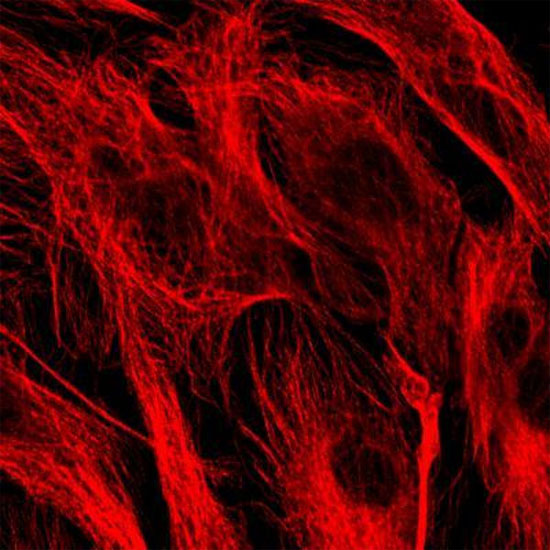
Scientists at the University of Georgia in the US have discovered a protein called MEC-17 that helps direct communication between brain cells.

According to a study at Cleveland Hospital, music may slow down neuronal combustion in the brain during surgery to treat Parkinson's disease.

A recent study by scientists at the Salk Biological Research Institute has helped to better understand how alcohol alters the behavior of brain cells.
A Portuguese study has just shown that the consumption of Ecstasy (also known as ecstasy) destroys early brain cells in the new mouse.
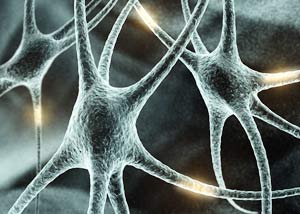
For the first time, a researcher from the Hebrew University of Jerusalem succeeded in observing the bioavailability (in vivo) of neurons in the brains of mammals.